

How to Refresh Your Rental Property for Spring Without Overspending
Spring is the perfect time to refresh your rental property and make it more appealing to potential tenants. However, you don’t need to break the bank to make a noticeable impact. In this blog post, we’ll explore budget-friendly upgrades that can boost your rental’s value and help you attract quality tenants.
- Fresh Coat of Paint
One of the most cost-effective ways to freshen up your rental property is by giving it a fresh coat of paint. Painting walls, doors, or trim is an inexpensive upgrade that can dramatically improve the look and feel of your space. Stick to neutral colors like whites, greys, and beiges, which appeal to a wider range of tenants and make spaces feel brighter and more spacious.
- Tip: Choose high-quality paint that’s durable and easy to clean. This will help maintain the property between tenant turnovers.
For more tips on property maintenance, visit our Property Management Services page.
- Upgrade Light Fixtures
Outdated light fixtures can make your rental feel stale. Swapping out old fixtures for modern, energy-efficient ones is a quick and affordable upgrade that adds style and value to the property. LED bulbs not only save on electricity costs but also have a longer lifespan, which can appeal to tenants who appreciate energy efficiency.
- Tip: Consider pendant lights for kitchens or dining areas, or install sleek sconces in hallways or bathrooms to create a contemporary look.
For more guidance on maintaining your rental’s appearance, explore our Blog on Rental Tips.
- Rejuvenate the Flooring
If your rental property has worn-out or outdated flooring, this can be a turn-off for potential tenants. While full replacements can be expensive, there are budget-friendly ways to refresh your floors:
- Vinyl Plank Flooring: Durable and easy to install, vinyl plank flooring can mimic hardwood at a fraction of the cost. It’s perfect for high-traffic areas and is resistant to scratches and spills.
- Carpet Refresh: If the carpet is in good condition but looks tired, consider getting it professionally cleaned or using a carpet dye to freshen it up.
Learn more about cost-effective renovations at MyLandlordCares Blog.
- Revamp the Kitchen on a Budget
The kitchen is often the focal point of a rental property. Upgrading your kitchen doesn’t mean you have to replace all appliances or cabinets. Here are some simple, budget-friendly upgrades that can increase your rental’s value:
- Cabinet Hardware: Replacing outdated cabinet knobs and handles is a simple upgrade that instantly refreshes the kitchen.
- Countertop Resurfacing: Instead of replacing your countertops, consider resurfacing or painting them to look like granite or marble.
These small changes can make your kitchen look much more modern without spending a fortune.
For additional tips on kitchen updates, check out our Kitchen Renovation Guide.
- Spruce Up the Outdoor Area
The outdoor space is just as important as the interior, especially in spring. A clean and well-maintained exterior can significantly increase the curb appeal of your rental property, attracting more tenants.
- Landscaping: You don’t need a professional landscaper to freshen up your yard. Plant some low-maintenance flowers, trim the bushes, and mow the lawn regularly.
- Outdoor Furniture: If your property has a patio or balcony, adding a simple outdoor table and chairs can make the space more inviting.
These affordable upgrades will make the outdoor space more appealing to tenants looking for relaxation and outdoor enjoyment.
For further advice on managing your property’s exterior, visit our Outdoor Maintenance Services.
- Deep Clean the Property
While it may not be an upgrade per se, a thorough deep clean is one of the most impactful and cost-effective ways to refresh your rental property. A clean property feels welcoming and well-maintained, and it gives potential tenants the impression that they’re moving into a cared-for space.
- Tip: Consider hiring a professional cleaning service to ensure every nook and cranny is spotless. Focus on high-traffic areas like the kitchen, bathrooms, and floors.
For more on cleaning tips, see our Property Maintenance tips
Disclaimer
The information in this blog is provided for general informational purposes only. MyLandlordCares.co.uk cannot be held liable for any damages or losses arising from the use of the information provided. Always consult with a qualified professional when making property upgrades or renovations.

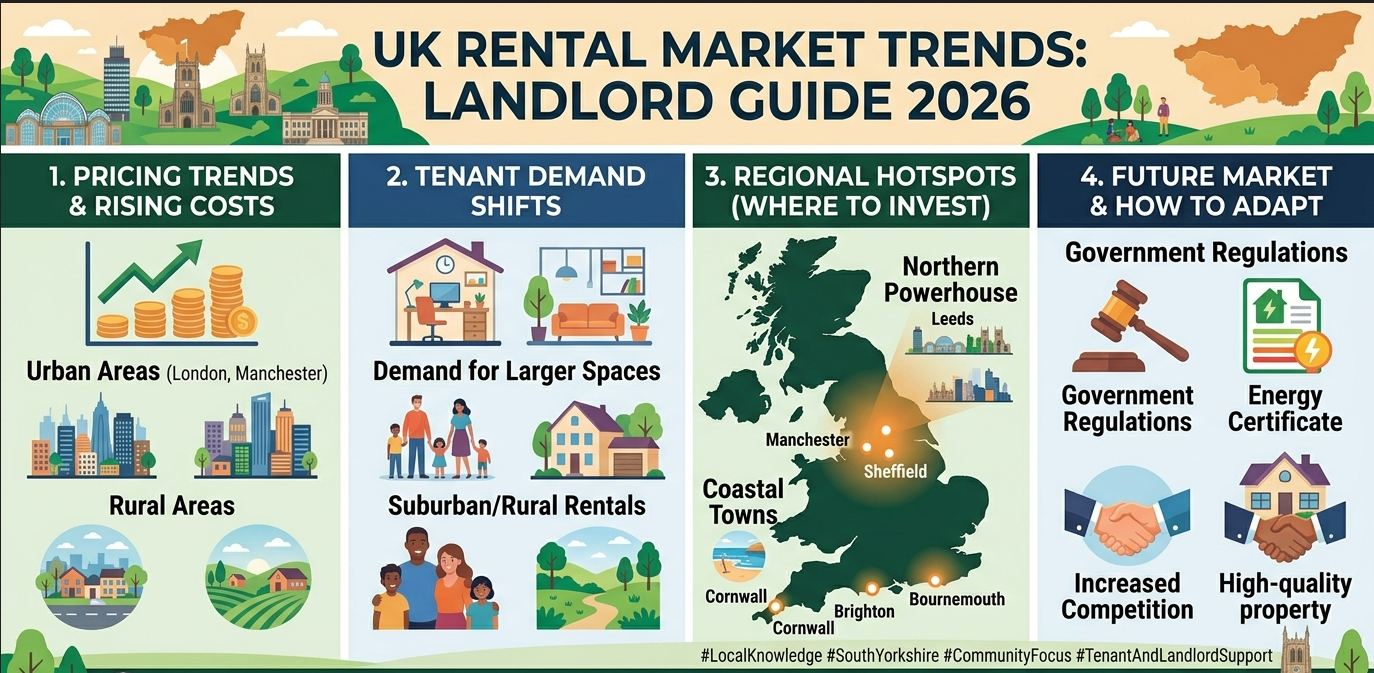
UK Rental Market Trends: What Landlords Need to Know in 2026
The UK rental market is constantly evolving, with factors like pricing trends, tenant demand, and regional hotspots shaping the landscape. As a landlord, understanding these market shifts is crucial for staying competitive and maximizing the return on your investment. In this blog, we’ll explore the key trends landlords should be aware of in 2026, including changes in pricing, shifts in tenant demand, and the growing importance of regional hotspots.
- Pricing Trends: Rising Costs and Rental Increases
In 2026, landlords are seeing a continuation of rising rental prices, driven by inflation and supply-demand imbalances. According to a BBC article on UK rental trends, the cost of living and increased demand for housing have resulted in landlords being able to increase rent prices in many regions. However, these price increases are not uniform across the UK—there are specific areas where rent growth is more pronounced.
- Urban Areas: Cities like London, Manchester, and Birmingham continue to see higher-than-average rent increases, fueled by a growing demand for rental properties, especially in city centers.
- Rural Areas: While traditionally lower-priced, rural areas are also seeing a steady increase in rent as remote working trends continue to attract tenants to the countryside.
For more insights on how pricing trends might affect your rental property, check out our Pricing Your Rental Property guide.
- Tenant Demand Shifts: Remote Work and Flexible Living
Tenant preferences are shifting in 2026, largely due to the long-term effects of the COVID-19 pandemic and the rise of remote working. Here are some of the key changes in tenant demand:
- Demand for Larger Spaces: With more tenants working from home, there is a higher demand for larger properties that offer extra bedrooms or designated office spaces. Landlords who have properties with multiple bedrooms or flexible living areas are in high demand.
- Interest in Suburban and Rural Rentals: As remote work continues, tenants are increasingly looking for rental properties outside city centers. Suburban areas and smaller towns are becoming more popular as tenants seek a better work-life balance and more affordable living spaces.
If you have a property that caters to these new tenant demands, consider listing it on platforms that highlight remote work-friendly homes. You can also explore our Property Management Services to get expert tips on how to appeal to these types of tenants.
- Regional Hotspots: Where to Invest in 2026
Understanding regional hotspots is crucial for landlords looking to invest or expand their property portfolios. In 2026, certain areas are seeing significant rental demand and price increases:
- Northern Powerhouse: Cities like Leeds, Manchester, and Sheffield are seeing a surge in rental demand, partly due to large-scale infrastructure projects and a growing tech sector. These cities are becoming hotspots for both long-term renters and short-term lets.
- Coastal Towns: In 2026, many coastal towns in the UK are becoming increasingly popular, particularly with tenants seeking a better quality of life post-pandemic. Areas like Brighton, Cornwall, and Bournemouth are seeing a rise in tenant demand, especially for properties with access to outdoor space.
If you're considering investing in a new area, research these hotspots to identify where your rental property might see the best return on investment.
Learn more about regional rental trends by visiting our Blog on Rental
- Future Market Outlook and How Landlords Can Adapt
Looking ahead, landlords in the UK should be prepared for several changes that could affect the rental market:
- Government Regulations: There are likely to be more regulations around tenant rights, rent control, and energy efficiency. Landlords need to stay informed about new laws and adapt their properties accordingly to ensure compliance.
- Increased Competition: As the rental market continues to evolve, competition between landlords will intensify. Offering well-maintained, high-quality properties that align with tenant demands will be crucial in attracting quality tenants and retaining them for longer.
For tips on staying competitive in a changing market, visit our Landlord Resources
Disclaimer
The information provided in this blog is for general informational purposes only. MyLandlordCares.co.uk cannot be held responsible for any damages or losses arising from the use of the information provided. Always consult with a professional for specific advice regarding your rental property investments.

Is April the Best Time to List Your Rental? 2026 Market Insights
As we step into the spring season, many landlords start to consider whether now is the right time to list their rental properties. April has long been recognized as a peak time for rentals, but is 2026 any different? In this blog, we’ll explore seasonal demand, moving trends, and why April might be the best time to list your rental in 2026.
- Seasonal Demand for Rentals
Spring, especially April, marks the beginning of a busy season in the rental market. Many potential tenants look to move during this time, making it a strategic moment for landlords to list their properties. Seasonal demand for rentals typically peaks in the spring, driven by:
- Graduations and relocations: April is the time when graduates and workers often start new jobs, leading to a higher demand for rental properties in urban areas and close to universities.
- Better weather: With warmer temperatures, tenants are more willing to make moves, especially with outdoor space in mind. This is a perfect time for listing homes with gardens or outdoor areas that appeal to families or pet owners.
To understand how the seasonal demand may affect your listing, check out our Landlord Services for detailed tips on optimizing your rental listings.
- Moving Trends in 2026
While seasonal demand is strong, 2026 presents some unique moving trends. In recent years, people have become more selective about where and how they move, influenced by the post-pandemic work-from-home culture. However, as the economy recovers and people return to offices, the following trends are emerging in 2026:
- Increased mobility: More individuals and families are now moving for work, especially in larger cities, making it a great time for urban landlords to list their rental properties.
- Remote work flexibility: For areas that are further from major cities, rentals offering flexible workspaces or additional rooms for home offices are highly in demand.
If you’re considering listing your property, check out our Real Estate Advice page for expert insights into current moving trends.
- Maximizing Rentability in April
Listing your property in April doesn’t just ensure visibility; it also increases your chances of securing a high rental price. As landlords, you can take advantage of the spring rush by following a few key strategies:
- Highlight outdoor spaces: April is when tenants begin to consider outdoor living spaces, like balconies, gardens, or patios. Ensure your listings feature high-quality photos and highlight these areas.
- Offer flexible leases: Many tenants in April may be looking for shorter leases that align with summer schedules, so offering flexible lease terms can increase interest.
Additionally, offering competitive rental pricing can make your property stand out in a competitive market. For pricing strategies and tips, visit our Pricing Your Rental guide.
- Is April the Right Time for You?
While April offers many advantages, it’s important to understand your local rental market. Each city and neighborhood will have its own dynamics. For instance, areas near universities, transit hubs, or tech hubs tend to see more movement in spring. Research your specific location to determine if April is the best month for you to list your rental.
Disclaimer
The information in this blog is provided for general informational purposes only. MyLandlordCares.co.uk cannot be held liable for any damages or losses arising from the use of the information provided. Always consult with a qualified real estate professional for specific advice regarding your rental property.

Spring Maintenance Checklist for Landlords in 2026
As the weather warms up and the days grow longer, it's the perfect time for landlords to perform essential spring maintenance on their rental properties. Regular upkeep ensures that the property remains in top condition and helps prevent costly issues during the summer months. Here’s a comprehensive spring maintenance checklist for landlords in 2026, focusing on inspections, outdoor repairs, and preventing costly summer issues.
- Conduct a Full Property Inspection
The first step in your spring maintenance routine should be a thorough property inspection. Walk through the entire property—both inside and out—and look for signs of wear and tear. Pay particular attention to:
- Roof and Gutters: Check for loose shingles, leaks, or debris build-up in the gutters. Blocked gutters can lead to water damage and expensive repairs.
- Windows and Doors: Ensure that all windows and doors open and close properly. Inspect seals for any drafts or damage. Sealing leaks can significantly improve energy efficiency.
- Plumbing: Examine pipes for leaks or signs of corrosion. It's crucial to fix leaks early before they cause more significant water damage.
For more tips on regular property inspections, visit our Property Management Services page for expert advice.
- Outdoor Repairs and Maintenance
Spring is an ideal time to focus on outdoor repairs. Ensure your property’s exterior is in top shape by performing the following tasks:
- Yard Maintenance: Trim trees and bushes to prevent overgrowth that could damage fences or walls. Ensure that pathways and driveways are free from cracks and debris.
- Fencing and Gates: Inspect fences and gates for any damage caused by winter storms. Repair or replace any broken sections to ensure security and curb appeal.
- Exterior Walls and Paint: Check the exterior for cracks in the walls or peeling paint. Repainting can not only improve the look of the property but also protect it from weathering.
For information on managing outdoor property care, explore our Outdoor Maintenance Services at MyLandlordCares.
- Prevent Costly Summer Issues
Summer can bring on a variety of issues that landlords can prevent by preparing early:
- Pest Prevention: Spring is a time when pests begin to make their way inside. Schedule a pest inspection and treat any areas prone to infestations.
- Safety Features: Check that smoke and carbon monoxide detectors are in good working order. If they need batteries or replacement, do it before tenants face any safety risks.
For more on how to avoid costly summer issues, check out our Landlord Tips and Advice blog.
Disclaimer
The information in this blog is provided for general informational purposes only. While every effort has been made to ensure the accuracy of the information, MyLandlordCares.co.uk cannot be held liable for any damages or losses arising from the use of the information provided. Always consult with a qualified professional when in doubt.

Hello Again — I’m Mahara
👋 Hello again — I’m Mahara, founder of My Landlord Cares Ltd — a two-time, award-winning ethical letting agency proudly based in South Yorkshire 🏆🏆
As we step into 2026, it feels like the right moment to properly re-introduce myself — and to remind people why this business exists.
Why My Landlord Cares Was Created
This business was born out of frustration.
Frustration that:
- Tenants were treated like numbers
- Landlords were told, “This is just how lettings works.”
- Care and accountability were seen as optional extras
As a landlord myself, with a background in local government and the charity sector, I knew something important:
👉 Care, structure, and accountability can coexist with private renting.
So instead of complaining about the system, I built a different model.
What We Stand for at My Landlord Cares
At My Landlord Cares, we don’t believe in quick fixes or transactional property management.
We focus on:
🏠 Supporting tenants, not sidelining them
📊 Helping landlords achieve stability, not churn
🤝 Building long-term relationships, not short-term solutions
💛 Embedding ethics into everyday practice, not just policies
You can learn more about how we work with landlords here:
👉 Internal link:
🔗 https://mylandlordcares.co.uk/for-landlords/
The Results of Doing Things Differently
That people-first approach has led to:
✨ Stronger, more sustainable tenancies
✨ Reduced voids and fewer disputes
✨ Trust on both sides of the tenancy
✨ And national recognition — twice
Because when housing is managed properly, everyone benefits.
Lettings Doesn’t Have to Be Combative
One of the biggest myths in the private rented sector is that landlords and tenants must be at odds.
They don’t.
Lettings can be:
- Collaborative
- Human
- Fair
- Transparent
And still commercially viable.
We see this every day in the homes we manage.
For a wider context on improving standards and professionalism in housing, you can explore guidance from industry bodies like:
👉 External link:
🔗 https://www.propertymark.co.uk/advice-and-guides/
Looking Ahead to 2026
As we move into 2026, our mission is simple:
👉 Raise standards
👉 Change culture
👉 Prove that ethical renting works
We’re here to show that the private rented sector can be better — not by accident, but by design.
Let’s Start a Real Conversation
💬 If you could change ONE thing about the private rented sector, what would it be?
Real change starts with honest conversations — and we’re always open to them.
📩 If you’d like to connect or work with us:
👉 Contact us:
🔗 https://mylandlordcares.co.uk/contact/
⚠️ Disclaimer
This blog is intended for general information and thought-leadership purposes only. It does not constitute legal, financial, or regulatory advice.

Letting Agency of the Year — Again: Why Ethical Lettings Matter More Than Ever
✨ Grateful. Proud. Energised. ✨
We’re incredibly proud to share that My Landlord Cares has once again been recognised as Letting Agency of the Year 🏆 — following our wins in 2024 and 2025.
To be recognised two years running genuinely means the world to us.
These awards aren’t automatic or symbolic. They involve independent judging, detailed reviews, and comparison against both new entrants and previous winners. To stand out again tells us one thing clearly:
💛 Ethical, people-first lettings truly matter.
What This Recognition Really Means
This award belongs to so many people:
🙌 Our team, who show up every day with care, integrity, and professionalism
🤝 Our landlords, who trust us to manage their homes ethically and transparently
🏡 Our tenants and partners, who believe the private rented sector can — and should — be better
At My Landlord Cares, we’ve always believed that lettings is about far more than properties.
It’s about:
- Fairness
- Transparency
- Accountability
- Humanity
That philosophy sits at the heart of everything we do.
👉 Learn more about how we support landlords through ethical, transparent property management:
Internal link:
🔗 https://mylandlordcares.co.uk/for-landlords/
Why Ethical Lettings Are Gaining Recognition
Across the UK, the private rented sector is under pressure — from regulation, rising costs, and changing expectations. More landlords are realising that ethical letting isn’t a “nice-to-have”; it’s essential for:
- Long-term tenancies
- Reduced disputes and voids
- Better property standards
- Stronger landlord–tenant relationships
We’re proud to be part of a wider movement pushing the sector forward — one built on trust rather than shortcuts.
👉 For broader insight into standards and professionalism in the lettings industry, see:
External link:
🔗 https://www.propertymark.co.uk/advice-and-guides/
We’re Only Just Getting Started 🚀
Winning Letting Agency of the Year again isn’t a finish line — it’s motivation to keep raising standards, challenging norms, and proving that property management can be done properly.
💬 What does “ethical renting” mean to you?
Let’s keep the conversation — and the sector — moving forward together.
If you’d like to work with an award-winning, people-first letting agency, we’d love to hear from you.
👉 Get in touch with us:
🔗 https://mylandlordcares.co.uk/contact/
⚠️ Disclaimer
This blog is for general information and brand communication purposes only. Awards referenced are based on independent judging criteria relevant to the awarding body at the time of assessment.
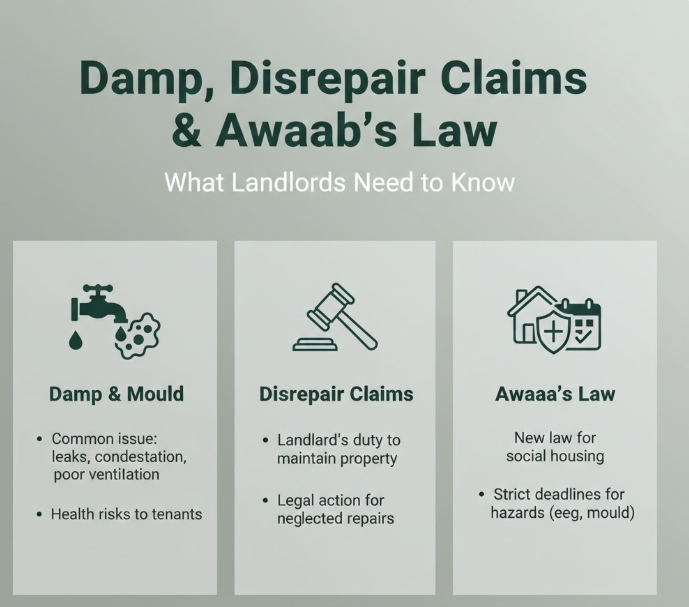
Damp, Disrepair Claims & Awaab’s Law: What Landlords Need to Know
Many landlords are unaware of a growing issue across the private rented sector — and it’s becoming increasingly common in social housing too.
👉 Solicitors are sending leaflets directly to tenants, encouraging them to report issues with their home and pursue no win, no fee disrepair claims.
Let’s be clear:
If a property is genuinely unsafe or unfit for habitation, it must be remedied. No debate there.
But the reality on the ground is often far more complex.
When Property Issues Aren’t Black and White
Issues like damp and mould are rarely simple.
Responsible landlords often take a targeted, step-by-step approach, such as:
- Improving ventilation
- Investigating lifestyle vs structural causes
- Checking brickwork and pointing
- Assessing possible rising damp
- Monitoring changes over time
Each step costs money.
And for many landlords, completing a full remedial scheme immediately simply isn’t financially possible.
Despite best efforts, landlords may still find themselves facing:
- Council improvement notices
- Threatened or active legal claims
- Enforcement action
Awaab’s Law: Why Timescales Now Matter More Than Ever
With Awaab Ishak’s Law now in force, landlords are under increased pressure to act within strict timescales when damp or mould is reported.
Failing to demonstrate prompt and reasonable action could lead to:
- Enforcement by local authorities
- Compensation claims
- Legal proceedings — even where intent was not negligent
You don’t need to be a “bad landlord” to be caught out — you just need to be unprepared.
👉 External guidance on landlord responsibilities can be found here:
🔗 https://www.gov.uk/private-renting/repairs
What Should You Do If You’re in This Situation?
If you’re dealing with damp complaints, improvement notices, or worried about potential claims, documentation is your strongest defence.
✔ Keep a detailed log of:
- All tenant communications
- Dates when issues were reported
- Inspections carried out
- Contractors contacted
- Quotes obtained
- Works completed or scheduled
The goal is simple:
👉 To clearly demonstrate that you are acting reasonably, promptly, and in good faith.
This evidence shows:
- You are not ignoring issues
- The property is not being left unfit
- You are actively working to improve living conditions
Ethical, Proactive Property Management Makes a Difference
At My Landlord Cares, we work with landlords to:
- Respond quickly to reported issues
- Communicate clearly with tenants
- Keep proper audit trails
- Liaise with contractors and councils
- Reduce the risk of disputes escalating into claims
👉 Learn how we support landlords here:
Internal link:
🔗 https://mylandlordcares.co.uk/for-landlords/
If you’re unsure whether your current approach is putting you at risk, it’s better to get advice early.
Need Support?
If you’re navigating damp issues, enforcement pressure, or worried about disrepair claims, don’t wait until it escalates.
📩 Reach out to us — we’re landlords too, and we understand the realities behind the headlines.
👉 Contact us:
🔗 https://mylandlordcares.co.uk/contact/
⚠️ Disclaimer
This blog is provided for general information only and does not constitute legal, regulatory, or professional advice. Landlords should seek specialist legal or housing advice for individual cases, particularly where enforcement action or claims may arise.
.

Featured in The Asian Standard: The Growing Demand for Ethical Investment Guidance
We’re proud to share that we were recently featured in the Asian Standard following the sell-out success of the Halal Investment Expo.
The coverage highlighted something we are seeing firsthand — a growing demand for ethical, values-led investment guidance, particularly in property.
🔗 External link:
Asian Standard article:
https://www.asianstandard.co.uk/sell-out-halal-finance-expo-highlights-growing-demand-for-ethical-investment-guidance/
A Shift in Investor Mindset
The Expo wasn’t just well attended — it was filled with people actively seeking clarity.
Not hype.
Not shortcuts.
But practical answers to real questions:
- What does it actually mean to be a property investor?
- How much do I need to start?
- Where should I invest?
- How do I diversify responsibly?
Ethical investment is no longer niche — it is mainstream.
Why Property Remains Central to Diversification
While many investors focus on stocks, shares, gold, or commodities, property remains a powerful asset class when managed correctly.
Done ethically, it can provide:
✔ Stable returns
✔ Long-term capital growth
✔ Real housing solutions
🔗 Internal link suggestion:
Link to:https://mylandlordcares.co.uk/about/
The demand we saw at the Expo reflects a wider shift — people want guidance that aligns with both financial and ethical goals.
Why This Matters Now
With significant housing reform ahead (see our full Renters Rights Reform blog here), the landscape is evolving.
Investors want:
Transparency
Security
Long-term strategy
Clear compliance guidance
And rightly so.
We’re proud to be contributing to that conversation
Disclaimer:
This article is for general information purposes only and does not constitute legal, financial, or investment advice. While we aim to keep information accurate and up to date, legislation and regulatory guidance may change. Readers should seek independent legal or financial advice tailored to their individual circumstances before making property or investment decisions.

Renters' Rights Reform: What Landlords Need to Know in 2026
The rental landscape in the UK is changing.
With the proposed Renters Rights reforms progressing through Parliament, landlords must prepare for one of the most significant shifts in housing regulation in a generation.
At My Landlord Cares, we believe reform isn’t something to fear — it’s something to understand, prepare for, and adapt to properly.
What Is the Renters Rights Reform?
The proposed reforms (often referred to as the Renters Reform Bill / Renters Rights Act 2025) aim to:
- Strengthen tenant security
- Reform possession processes
- Improve housing standards
- Increase accountability across the private rented sector
For full legislative background, landlords can review updates directly via:
- UK Government Private Renting Reform Hub (external link – gov.uk)
- National Residential Landlords Association (NRLA) (external link – nrla.org.uk)
Key Changes Landlords Should Be Preparing For
1️⃣ End of Section 21 (“No Fault” Evictions)
One of the headline reforms is the removal of Section 21 notices.
This means landlords will no longer be able to end a tenancy without a specified legal ground. Possession will rely on strengthened Section 8 grounds instead.
What this means for you:
- Stronger documentation processes
- Clear compliance history
- Proactive tenant communication
- Solid rent collection systems
2️⃣ Periodic Tenancies as Standard
All tenancies are expected to move to a periodic structure.
This creates greater flexibility for tenants — but also requires landlords to operate with more consistent management systems.
Strong management becomes non-negotiable.
3️⃣ Property Standards & Compliance Focus
The reforms will likely introduce stronger enforcement around:
- Damp and mould
- Energy efficiency
- Repair timeframes
- Complaint handling
Landlords who already operate ethically and proactively will find themselves ahead of the curve.
Why Ethical Property Management Is Now a Strategic Advantage
Some landlords view reform as restriction.
We view it as separation.
The gap between:
- Reactive landlords
and - Professional, systems-led operators
…is widening.
At My Landlord Cares, our approach to ethical landlording has always centred on:
✔ Transparent communication
✔ Preventative maintenance
✔ Tenant stability
✔ Long-term asset protection
(Internal link suggestion: https://mylandlordcares.co.uk/landlords/
When managed correctly, ethical property management does not reduce returns — it stabilises them.
Lower voids.
Better tenants.
Reduced disputes.
Stronger reputation.
What Landlords Should Do Now
Rather than waiting for full implementation, proactive landlords should:
- Audit tenancy agreements
- Strengthen documentation procedures
- Review compliance checklists
- Improve repair response systems
- Consider professional management if systems are weak
If you are unsure where you stand, seeking guidance early can prevent costly mistakes later.
The Bigger Picture
These reforms are not happening in isolation.
Rising utility connection costs, energy performance requirements, and increased tenant awareness are reshaping expectations across the sector.
The question is no longer:
“How do I avoid change?”
It’s:
“How do I operate sustainably within it?”
Landlords who adapt strategically will continue to thrive.
Need Support?
If you're unsure how the Renters Rights reforms affect your portfolio, we offer a FREE 30-minute consultation to help you:
✔ Understand your exposure
✔ Identify compliance gaps
✔ Map out practical next steps
(Internal link suggestion: https://mylandlordcares.co.uk/contact-us/
No pressure. No alarmism. Just clear, practical guidance.
Final Thoughts
The future of the private rented sector belongs to:
Professional
Prepared
Ethical
Systems-led landlords
Reform doesn’t remove opportunity — it raises standards.
And those willing to meet them will lead the market.
Disclaimer:
This article is for general information purposes only and does not constitute legal, financial, or investment advice. While we aim to keep information accurate and up to date, legislation and regulatory guidance may change. Readers should seek independent legal or financial advice tailored to their individual circumstances before making property or investment decisions.

My Landlord Cares Approved on Property Works DPS – Expanding Our Services
We’re thrilled to share some exciting news — My Landlord Cares is now an approved provider on the Property Works DPS.
This is a significant milestone for us and for the landlords, local authorities, and partners we work with.
Being approved on the DPS means we can now deliver our ethical property management services through a fully compliant, recognised route to market, offering even greater reassurance, transparency, and accountability.
👉 Learn more about how we deliver ethical, compliant property management:
Internal link:
🔗 https://mylandlordcares.co.uk/for-landlords/
What Does Property Works DPS Approval Mean?
Approval on the Property Works DPS allows us to:
- Provide services through a compliant procurement framework
- Work more closely with councils, housing providers, and partners
- Deliver ethical, efficient property solutions at scale
- Offer landlords peace of mind through robust standards and oversight
Most importantly, it enables us to continue doing what we do best — supporting people and homes properly.
👉 External reference for DPS and compliant procurement frameworks:
🔗 https://www.propertyworks.org.uk/